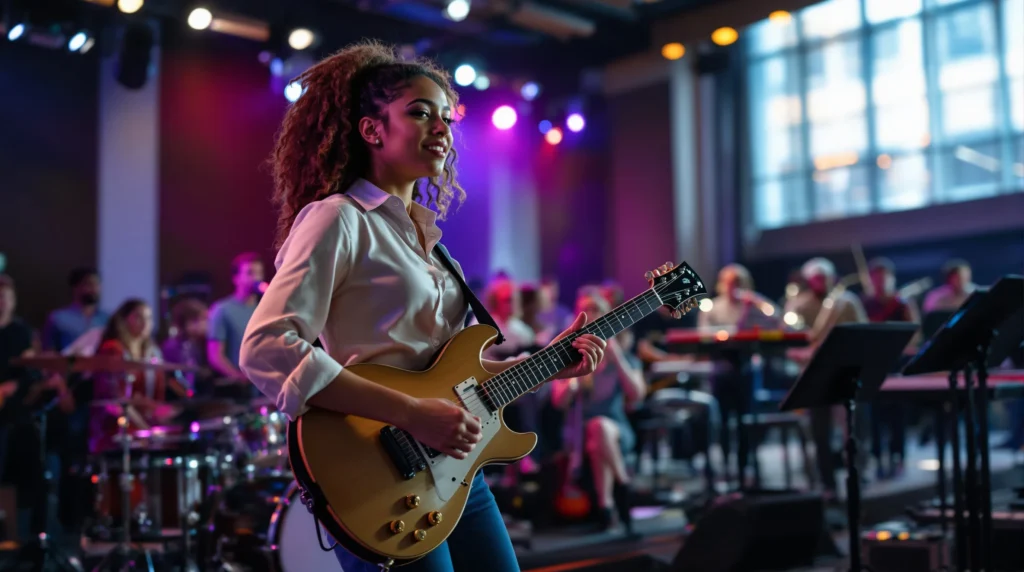
Picture this: Your hands tremble as you step onto the stage. The lights blind you for a second, but then you spot your teacher in the front row, giving a tiny nod. The first note leaves your lips or your instrument, and suddenly, the nerves melt away. This is the moment every musician chases. But how do you get here—confident, prepared, and ready to share your music? That’s where a music performance program comes in.
Why a Music Performance Program Changes Everything
If you’ve ever felt stuck in your practice routine, or wondered why your performances don’t match your rehearsals, you’re not alone. A music performance program isn’t just about learning scales or memorizing pieces. It’s about building the skills, mindset, and habits that turn practice into artistry. Here’s why it matters:
- Accountability: Regular lessons and recitals keep you honest. You can’t hide from your progress—or your procrastination.
- Feedback: Honest, specific feedback from experienced musicians helps you grow faster than practicing alone.
- Community: You meet people who get it. They know what it’s like to bomb an audition or nail a solo. That support is priceless.
Here’s the part nobody tells you: Even the most talented musicians hit walls. A music performance program gives you the tools to break through them.
What Actually Happens in a Music Performance Program?
Let’s break it down. A strong music performance program blends technical training, performance opportunities, and personal growth. You’ll find:
- Private Lessons: One-on-one time with a teacher who spots your habits and helps you fix them.
- Masterclasses: Play for guest artists, get real-time advice, and watch others learn. It’s like a live podcast for musicians.
- Ensemble Work: Bands, choirs, chamber groups—learning to listen and blend is a skill you can’t fake.
- Performance Labs: Low-pressure settings to try out new pieces and experiment with stage presence.
- Recitals and Concerts: The big show. You prepare, you sweat, you perform. Then you do it again, a little better each time.
Every program has its own flavor. Some focus on classical, others on jazz, pop, or even experimental music. The best ones help you find your voice, not just copy someone else’s.
Who Thrives in a Music Performance Program?
If you love music but hate the spotlight, you might worry a music performance program isn’t for you. Here’s the truth: You don’t need to be a born performer. You just need curiosity and grit. These programs work best for:
- Musicians who want to perform, not just practice
- Students who crave honest feedback
- People who want to connect with other musicians
- Anyone ready to face their nerves and grow
But if you’re looking for a shortcut or a guaranteed standing ovation, this isn’t it. Progress takes time, and you’ll have to face your mistakes head-on. That’s where the real growth happens.
Common Mistakes—and How to Avoid Them
Let’s get real. Everyone messes up. Here are a few classic blunders in a music performance program, and how to dodge them:
- Practicing without purpose: Mindless repetition won’t help. Set small, clear goals for each session.
- Ignoring performance anxiety: Everyone gets nervous. Talk about it with your teacher. Try breathing exercises or mock performances.
- Comparing yourself to others: Someone will always play faster or sing higher. Focus on your own progress.
- Skipping ensemble work: Playing with others teaches you timing, listening, and teamwork. Don’t miss out.
Here’s a secret: The best musicians aren’t always the most talented. They’re the ones who keep showing up, even after a rough performance.
How to Get the Most Out of Your Music Performance Program
Ready to dive in? Here are some tips to make your music performance program work for you:
- Set clear goals: Want to master a piece, conquer stage fright, or join a band? Write it down.
- Record yourself: It’s awkward, but you’ll spot things you miss in the moment.
- Ask questions: Don’t just nod along. If you’re confused, speak up.
- Embrace mistakes: Every wrong note is a lesson. Laugh it off and try again.
- Connect with peers: Share your struggles and wins. You’ll learn faster together.
Next steps: Find a program that fits your style and goals. Talk to current students. Sit in on a class if you can. Trust your gut—if you feel inspired, you’re in the right place.
What Makes a Great Music Performance Program?
Not all programs are created equal. Here’s what to look for:
- Experienced teachers: Look for musicians who perform, not just teach.
- Performance opportunities: You need regular chances to play for an audience.
- Supportive community: You want encouragement, not competition.
- Flexible curriculum: Your interests matter. The program should help you grow in your own direction.
Ask about alumni. Where are they now? If they’re out there making music, that’s a good sign.
Real Stories: Lessons from the Stage
Here’s a story you won’t find in a brochure. Maya, a jazz pianist, bombed her first recital. She forgot half her piece and left the stage in tears. Her teacher didn’t sugarcoat it. “You froze. Next time, let’s practice walking on and off the stage.” They did, over and over. By her next performance, Maya felt calm. She played her piece, mistakes and all, and got a standing ovation. The lesson? Sometimes the smallest skills—like how to breathe or bow—make the biggest difference.
If you’ve ever felt like giving up after a bad show, you’re not alone. Every musician has a story like Maya’s. The right music performance program helps you turn those moments into fuel.
Is a Music Performance Program Right for You?
If you want to grow as a musician, face your fears, and connect with others who share your passion, a music performance program could be your next step. It’s not easy, and it’s not always fun. But if you stick with it, you’ll find yourself on stage, heart pounding, ready to share your music with the world. And that’s a feeling you can’t get anywhere else.