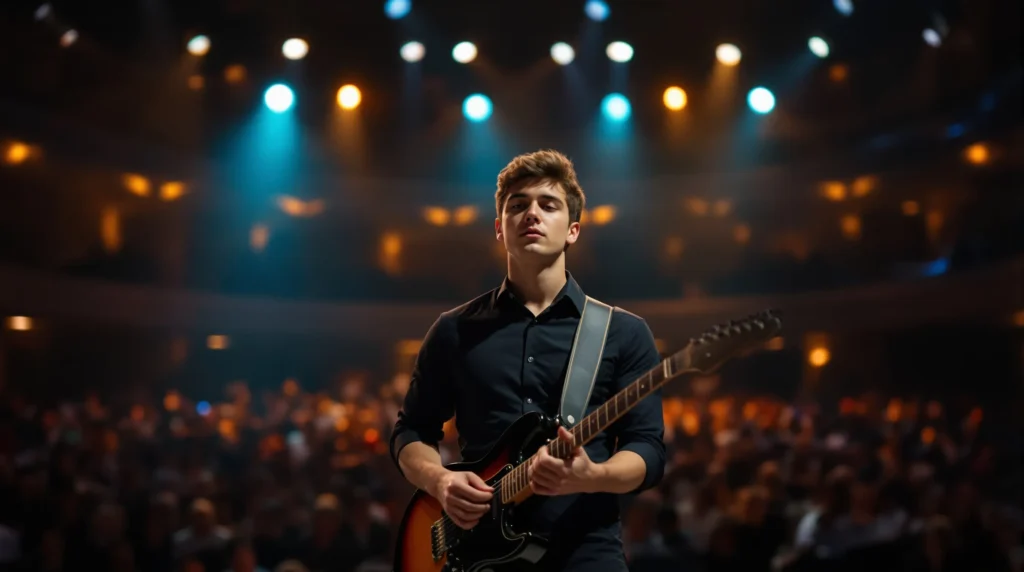
Your hands shake. Your heart pounds so loud you wonder if the audience can hear it. You stare at your instrument or the sheet music, and for a split second, you forget everything you practiced. If you’ve ever felt this before a performance, you’re not alone. Music performance anxiety is real, and it can turn a passion into a panic attack. But here’s the part nobody tells you: even the most seasoned musicians have faced it—and many still do.
What Is Music Performance Anxiety?
Music performance anxiety, sometimes called stage fright, is the intense fear or nervousness that hits before or during a musical performance. It’s not just butterflies. It can feel like your body and mind are staging a mutiny. Sweaty palms, dry mouth, racing thoughts, shaky fingers—these are just the opening act. For some, it’s a mild annoyance. For others, it’s a showstopper.
Let’s break it down. Music performance anxiety isn’t a sign of weakness or lack of talent. It’s your body’s natural response to stress. When you step on stage, your brain thinks you’re in danger. Adrenaline floods your system. Your fight-or-flight response kicks in. Suddenly, playing a simple scale feels like defusing a bomb.
Why Does Music Performance Anxiety Happen?
Here’s why: your brain can’t always tell the difference between a real threat and a perceived one. Performing music in front of others feels risky. You’re exposed. You want to impress. You fear mistakes. Maybe you remember a time you missed a note and saw someone in the audience wince. That memory sticks.
Music performance anxiety often starts early. Maybe a teacher scolded you for a wrong note. Maybe you compared yourself to a prodigy in your class. Over time, your brain links performing with fear. The more you care, the more the anxiety grows. It’s a cruel trick, isn’t it?
Who Struggles With Music Performance Anxiety?
If you think music performance anxiety only hits beginners, think again. Even world-class musicians admit to it. Violinist Itzhak Perlman once said he still gets nervous before concerts. Pop stars, jazz players, classical pianists—no one’s immune. In fact, a 2017 study found that up to 60% of professional musicians experience music performance anxiety at some point.
But not everyone feels it the same way. Some get jittery before a solo. Others freeze up in auditions. Some breeze through rehearsals but panic on stage. If you’re reading this and nodding, you’re in good company.
How Does Music Performance Anxiety Show Up?
- Physical symptoms: Sweaty hands, shaky legs, dry mouth, rapid heartbeat
- Mental symptoms: Racing thoughts, blanking out, self-doubt, catastrophizing
- Behavioral symptoms: Avoiding performances, over-practicing, procrastinating
Here’s a story: A jazz saxophonist I know practiced for hours every day. But when he stepped on stage, his mind went blank. He started avoiding gigs. He thought he just needed to practice more. But the real issue was music performance anxiety, not lack of skill.
What Makes Music Performance Anxiety Worse?
Perfectionism is a big culprit. If you believe every note must be flawless, you set yourself up for disappointment. Social comparison doesn’t help either. Scrolling through videos of child prodigies on YouTube can make anyone feel inadequate. Add in high expectations from teachers, parents, or even yourself, and the pressure builds.
Sometimes, a single bad experience can haunt you. Maybe you forgot your lyrics once, and now you fear it’ll happen again. The brain loves to replay these moments, making music performance anxiety stronger each time.
How Can You Overcome Music Performance Anxiety?
Here’s the good news: you can manage music performance anxiety. It won’t vanish overnight, but you can learn to play through it—and even use it to your advantage.
1. Prepare Smart, Not Just Hard
Practice under pressure. Play for friends, record yourself, or simulate performance conditions. The more you expose yourself to “stage” situations, the less scary they become. Don’t just drill scales—practice walking on stage, bowing, and starting your piece. Make the unfamiliar familiar.
2. Reframe Your Thoughts
Notice your self-talk. If you catch yourself thinking, “I’ll mess up,” swap it for, “I’ve prepared for this.” It sounds simple, but it works. Remind yourself: nerves mean you care. Even pros get shaky. The trick is to play anyway.
3. Breathe Like a Pro
Slow, deep breaths calm your nervous system. Try this: inhale for four counts, hold for four, exhale for four. Do this before you walk on stage. It’s not magic, but it helps.
4. Visualize Success
Picture yourself performing confidently. Imagine the applause, the smiles, the feeling of nailing that tricky passage. Visualization isn’t just wishful thinking—it trains your brain to expect success, not disaster.
5. Accept Imperfection
Here’s the part nobody tells you: every performance has mistakes. Even the best musicians flub notes. The audience rarely notices. What they remember is your energy, your passion, your connection. Let go of perfection. Aim for expression.
6. Build a Pre-Performance Routine
Find rituals that ground you. Some musicians stretch, some meditate, some tell jokes backstage. A routine signals to your brain: “It’s showtime, and I’m ready.”
7. Seek Support
Talk to other musicians about music performance anxiety. You’ll find you’re not alone. If anxiety feels overwhelming, consider working with a therapist who understands performance issues. Cognitive-behavioral therapy and mindfulness techniques have strong track records.
Who Should Read This—and Who Shouldn’t?
If you’re a musician who’s ever felt your heart race before a performance, this is for you. If you’re a teacher, parent, or friend of a musician, understanding music performance anxiety can help you support them. If you’ve never felt nervous on stage, you might not relate—but you can still learn how to help others.
What’s Next?
Music performance anxiety doesn’t have to steal your joy. It’s a sign you care deeply about your art. The next time your hands shake, remember: you’re in good company. Every musician has a story about a performance gone sideways. What matters is that you keep playing.
Try one new strategy at your next performance. Maybe it’s a breathing exercise, maybe it’s a new way of thinking about mistakes. Track what works. Celebrate small wins. Over time, you’ll find your own way to play through the nerves—and maybe even enjoy the thrill.
If you want to dig deeper, check out resources from the American Psychological Association or talk to a music teacher who gets it. Music performance anxiety is tough, but it’s not unbeatable. You’ve got this.