
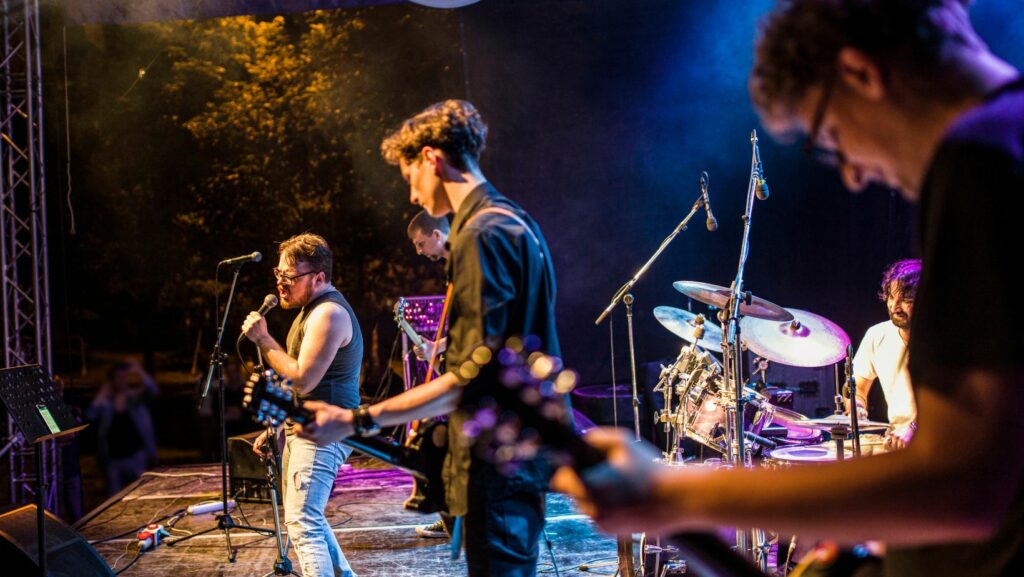
Music changes how we experience places. A familiar song can turn an ordinary street into a memory, while a new playlist can redefine an entire journey. For many people, music is not background noise—it is a companion that shapes mood, focus, and emotional connection.
Dubai is a city that invites soundtracking. Its highways stretch across desert landscapes, coastal roads follow the rhythm of the sea, and night drives glow with neon reflections. In this environment, music and movement naturally come together, creating an experience that is deeply personal and immersive.
Music as a Tool for Presence and Mood
Listening habits today are highly intentional. People curate playlists for focus, relaxation, workouts, and travel. Music helps regulate energy and emotion, especially in unfamiliar environments.
While traveling, music can:
- Reduce stress and sensory overload
- Create a sense of familiarity
- Anchor emotions during transitions
In a fast-paced city like Dubai, these benefits become even more valuable.
Why Movement Amplifies Music
Music is most powerful when paired with motion. Walking, driving, or traveling between places turns listening into an experience rather than a passive activity.
Driving, in particular, offers:
- A controlled acoustic environment
- Time without interruptions
- Freedom to choose pace and direction
This combination allows music to fully shape the atmosphere of a moment.
That’s one reason many visitors choose to rent a car dubai without deposit—it removes friction and lets the journey unfold naturally, with music setting the tone from start to finish.
Dubai’s Roads as Listening Spaces
Dubai’s infrastructure is uniquely suited to driving. Wide roads, smooth highways, and long stretches between destinations create ideal conditions for immersive listening.
Different parts of the city invite different sounds:
- Coastal drives pair well with calm, ambient tracks
- Night drives through Downtown suit electronic or chillhop
- Desert highways encourage long-form albums or podcasts
The city becomes a living backdrop, responding to sound and rhythm.
Digital Music Culture and Travel
Streaming platforms and music download tools have transformed how people travel. Offline listening, personalized playlists, and curated recommendations mean music is always accessible, regardless of location.
This digital freedom allows travelers to:
- Prepare soundtracks before arrival
- Discover regional or global music on the go
- Switch moods instantly
Music becomes as portable as the traveler themselves.
Reducing Friction to Stay in the Flow
Flow is a state of focus where everything feels aligned. Interruptions—waiting, delays, uncertainty—break that state. In travel, maintaining flow is often the difference between feeling inspired and feeling exhausted.

Personal mobility supports flow by:
- Eliminating unnecessary waiting
- Allowing continuous movement
- Preserving attention for music and surroundings
When logistics fade into the background, experience takes center stage.
Music, Solitude, and Reflection
Many people value moments of solitude while traveling. Driving alone with music provides a rare combination of privacy and movement.
These moments allow for:
- Reflection after intense experiences
- Emotional processing through sound
- Creative thinking and idea generation
In a city full of stimulation, such quiet spaces are essential.
Soundtracking Creativity and Inspiration
Dubai attracts creatives, digital nomads, and entrepreneurs from around the world. For many of them, inspiration comes during movement rather than stillness.
Driving while listening to music can:
- Spark new ideas
- Help organize thoughts
- Transition the mind between work and rest
The journey itself becomes part of the creative process.
Music and Identity While Traveling
Music helps maintain a sense of identity when everything else feels new. Familiar tracks can reconnect travelers with who they are, while new sounds expand perspective.
In Dubai’s multicultural environment, this balance is especially meaningful. You might listen to music from home one moment and explore global genres the next—reflecting the city’s diversity.
Night Drives and Emotional Atmosphere
Dubai transforms at night. Traffic softens, lights intensify, and the city feels cinematic. Night drives become emotional experiences, often defined by the music playing in the background.
These moments:
- Stay in memory longer
- Feel intimate and reflective
- Create emotional attachment to the city
Music doesn’t just accompany these drives—it defines them.
Accessibility and Ease for Short and Long Stays
Whether staying for a few days or several months, ease of movement shapes daily rhythm. Removing financial and administrative barriers allows travelers to focus on experience rather than logistics.
Deposit-free access to transportation supports:
- Short, spontaneous trips
- Long-term routines
- A sense of openness rather than commitment
This aligns with modern, flexible travel lifestyles.
Turning Routes Into Rituals
Over time, certain drives become rituals: morning coffee runs, sunset beach trips, late-night food stops. Music reinforces these rituals, turning them into comforting patterns.
Rituals help:
- Stabilize routines
- Create emotional safety
- Make unfamiliar places feel familiar
Dubai, despite its scale, becomes approachable through these repeated moments.
The City as a Playlist
Every city has a sound. Dubai’s is layered, global, and constantly evolving. Experiencing it through music allows travelers to create a personal interpretation rather than consuming a predefined narrative.
The city becomes a playlist:
- Some tracks loud and energetic
- Others soft and reflective
- All connected by movement
Final Thoughts
Music and mobility are deeply connected. Together, they shape how we feel, remember, and relate to places. In a city as dynamic as Dubai, this connection becomes especially powerful.
By reducing friction and supporting freedom of movement, personal transportation allows music to do what it does best—turn ordinary moments into meaningful experiences.
When sound and motion align, travel becomes more than sightseeing. It becomes a rhythm, a mood, and a memory that lingers long after the journey ends.