An Olivia Rodrigo show usually starts long before anyone reaches the venue. Someone sends a TikTok from the last stop of the tour, someone else checks how far the arena is from the station, and the group chat turns into a messy mix of prices, outfits, seat views and “can we actually afford this?” messages. For Gen Z fans, the ticket is rarely just a ticket. It becomes part of the week, sometimes part of the whole month.
The ticket hunt starts before the sale
Most fans begin planning before the checkout page even opens. People check Olivia Rodrigo tickets in the middle of other tiny decisions: who is coming, which city is realistic, whether the last train works, whether the seat is actually decent. The boring lines matter here. Date, venue, delivery method, ticket notes. Miss one, and the whole plan gets annoying fast.
Her songs are already tied to normal stuff: getting ready, walking home, rereading a message, pretending not to care. At the show, that private feeling turns into noise. The best part is often not the chorus itself, but the split second when everyone knows exactly which line is about to hurt.
Why the ticket feels personal
For many young fans, going to the concert becomes part of how they show taste, mood and friendship. The planning is visible: outfit videos, lyric captions, bracelet ideas, blurry rehearsal clips, “get ready with me” posts and after-show edits. Nobody needs to call it identity for it to work that way. It just becomes one of those events people want to be seen at, remember properly and talk about later.
The British Psychological Society has written about live music psychology, especially the charge people feel when they share music in a crowd. With Olivia Rodrigo, that charge lands fast because the songs are already dramatic in a very familiar way. They cover jealousy, embarrassment, confidence, anger and heartbreak without making any of it sound polished for adults. That is why a big arena can still feel strangely close.
The phone is part of the concert now
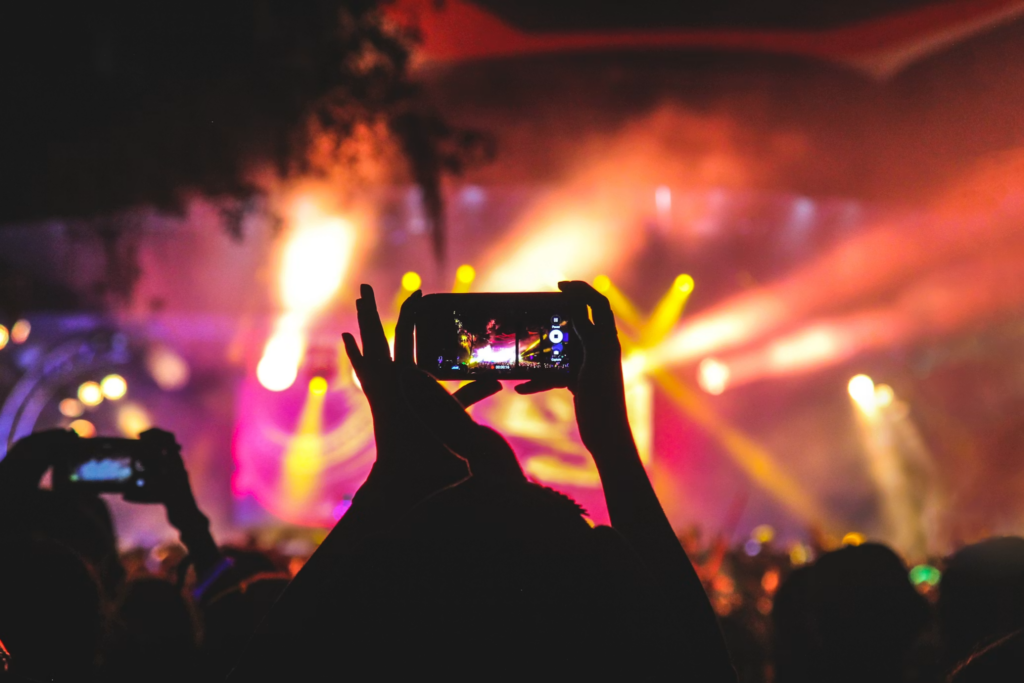
Gen Z rarely separates the show from the screen. The phone helps plan the night, find the entrance, store the ticket, record the bridge of a favourite song and message friends after the final encore. That does not make the experience fake. It makes it layered.
Before the event, the online build-up can shape expectations in very specific ways:
- Fans check seat views before choosing a section.
- Group chats decide outfits and arrival times.
- Short clips make certain songs feel bigger before the show.
- Parents often check venue rules and ticket details.
- Friends split costs for travel, food and merch.
After that, the night still has to work offline. A dead battery, wrong entrance or unclear ticket note can spoil the mood quickly. Ofcom’s work on young people’s social media habits helps explain why the digital layer feels so natural for this audience, especially before big entertainment moments.
Safe buying is part of the fan routine
High-demand concerts create pressure, and pressure makes people rush. A fan may see one available ticket and feel they have seconds to act. That is exactly when the basics need attention.
Citizens Advice offers clear guidance on avoiding ticket scams, and the advice fits concert culture well. Check the seller, read the ticket terms, keep payment records and avoid random messages from strangers. None of that ruins the excitement; it protects the plan.
For younger fans, parents or older siblings often become the second pair of eyes. They may check the payment page, delivery method or venue rules while the fan focuses on the show itself. That mix works well when everyone knows the goal: get the ticket, keep the details clear and avoid panic-clicking.
The real value is the night around the songs
For many fans, the ticket is tied to the whole night around it: getting ready with friends, checking the entry gate twice, losing their voice during one chorus, then replaying shaky clips on the way home.
That is why demand stays intense. The music gives fans a language for feelings they already know, while the concert turns those feelings into a room full of people. A good ticket decision starts with clear details, but the memory usually begins when the crowd sings the first line back.