
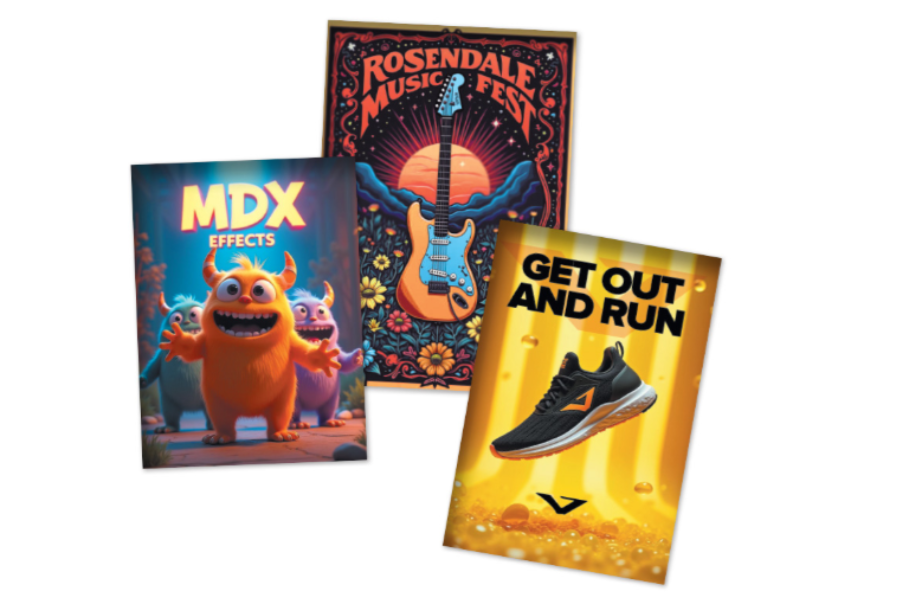
Picking a personalized gift isn’t as easy as it sounds. You want something thoughtful, yet so many of the custom gifts are all the same – another mug, another framed photo, another card with a good message. Even a heartfelt message can lose its impact when it blends in with countless other gifts someone has received.
That’s where lenticular printing comes in. It introduces motion, depth, and a touch of surprise to the image itself, as opposed to a single, flat picture. By simply tilting the image, you can watch it move, flip, or transform, creating a keepsake people will want to pick up and revisit.
But how exactly does this work, and why does it make such a difference? Let’s break it down.
1. Add Real Movement to a Still Photo
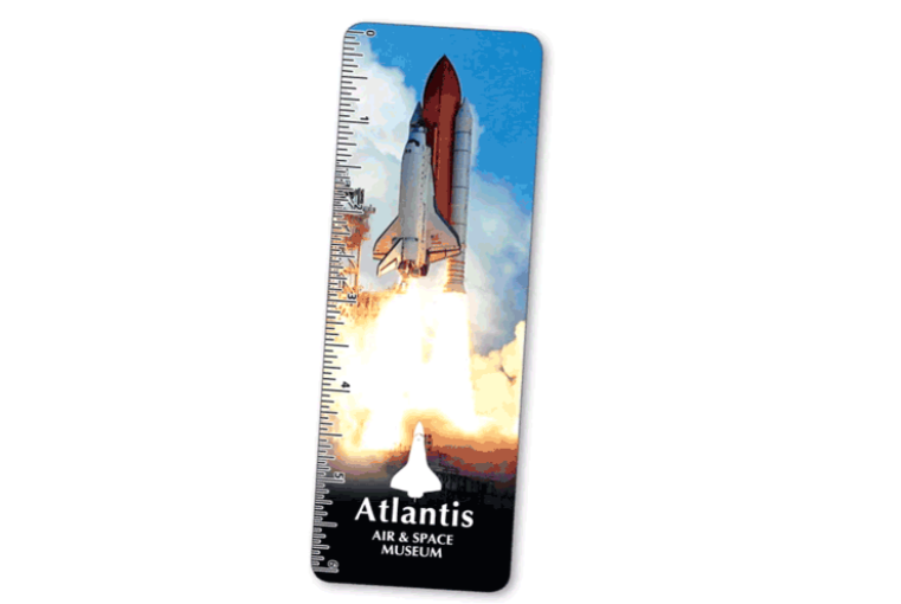
A regular photo shows one moment, and that’s it. It’s frozen there forever, no matter how much happened before or after it was taken. Examples from companies like Enduraline show how lenticular printing at enduraline.com can transform a flat image into one that shifts smoothly into another view as you change the angle.
Take a family picture, for example. One angle shows a child’s gap-toothed grin; tilt it a little, and you see an entirely different expression. That slight change catches people off guard, in a good way, and makes them take the time to actually engage with the picture rather than have a one-time look at it.
That’s the real difference here. A wedding picture, a vacation snapshot, a spontaneous family picture – each becomes more engaging when brought to life through motion.
With such an interaction, a gift has a far higher chance of remaining on someone’s desk or shelf rather than being packed away.
2. Layer Multiple Images into One Design
Some memories just don’t fit into one picture. Think about a baby’s first year, or a couple’s journey together— there’s no single photo that tells that story on its own. Lenticular printing solves this by fitting more than one image into a single design.
So instead of agonizing over which one photo to pick, you don’t have to choose at all. A baby photo can shift into a toddler picture. A couple’s first date can move into their wedding day. Each frame adds a little more to the story.
That’s what makes the gift feel complete. The individual is not merely viewing a photo but the little segment of their own history unfolding. It’s not just one day anymore — it’s the whole journey.
3. Make a Familiar Gift Format Unexpected
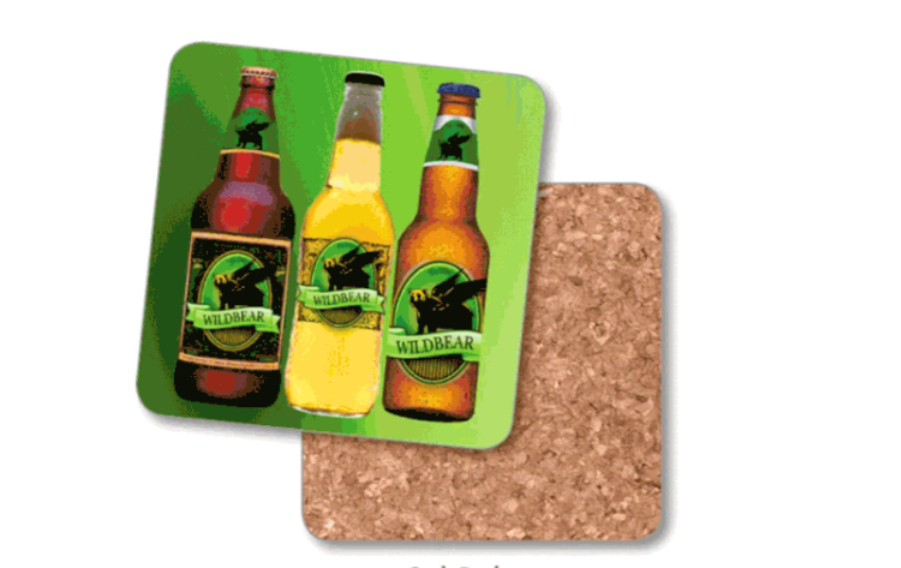
Cards, bookmarks, magnets, photo prints are gifts most people have received countless times. They’re nice, sure, but they don’t exactly stop anyone in their tracks. Add a lenticular effect, though, and that same familiar item suddenly feels new.
A card that changes as you tilt it does more than just deliver a message. People stop, turn it in their hands, and show it to whoever’s standing nearby. A simple bookmark or photo print becomes something people actually want to keep out on a shelf instead of tucking away in a drawer.
Nothing about the format itself changes — it’s still a card, still a bookmark. What changes is how it feels to hold. And that’s really the whole point: same gift, completely different reaction.
4. Require More Craft, Which Reads as More Care
People notice effort even when they are unable to fully understand why. A common printed picture is easy to create, whereas a lenticular print requires effort to be created: selecting the appropriate pictures, matching them perfectly, ensuring the transitions appear smooth and seamless.
That extra work shows. The person receiving it can tell it wasn’t grabbed off a shelf in five minutes. It required thoughtful planning and that kind of planning says something about how much the moment mattered to whoever made it.
None of this means a gift has to be complicated to mean something. But when the craft is visible, it does a lot of the talking on its own. Sometimes the quality of the piece says more than any card ever could.
5. Give Milestones a Format That Matches Their Meaning
Big moments rarely happen in a single instant. A graduation, a wedding, an anniversary — these are the finish lines of years of smaller moments that led up to them. One photo can capture the day, but it can’t capture everything that got someone there.
Lenticular printing gives those memories a way to come together in one meaningful display.
A graduation gift can move through old school photos before landing on the cap and gown. An anniversary piece can shift through years of a couple’s story, one frame at a time.
That’s what makes the format fit so well here. Life doesn’t stand still, so why should the gift? Instead of simply celebrating a milestone, it ends up capturing everything that made the day worth celebrating.
Conclusion
A personalized gift feels more meaningful when it gives someone an experience, not just a picture to glance at once. Lenticular printing brings in movement, layered images, and real craftsmanship — transforming familiar gift formats into keepsakes people genuinely want to display and treasure.
Whether it’s a birthday, a wedding, or just a memory worth keeping, a gift that shifts and changes gives people a reason to come back to it. That’s what makes it truly memorable.